Politics Doesn't Sleep Anymore — It Just Waits Until You're in Bed
There was a time, not that long ago, when political news had a bedtime. The president spoke at 9 PM Eastern, the networks carried it, Walter Cronkite told you how to feel about it, and by 10:30 the whole country had processed the same information at roughly the same speed. Then everyone went to bed.
That world is gone. Buried. Put it next to the fax machine and the Blockbuster membership card.
The 9 PM Slot Is Now a Museum Exhibit
The evening broadcast was never really about information — it was about synchronization. Everyone got the news at once, from the same three anchors, and the next day's conversation happened on that shared foundation. It was the group chat before the group chat existed.
Now? Synchronization is dead. A campaign can announce a candidate dropout, drop a viral attack ad, or have a politician post something unhinged at 1:47 AM, and by sunrise it's already been memed, debunked, re-memed, and turned into a audio trend. The "news cycle" isn't a cycle anymore. It's a firehose with no off switch.
And here's the thing — the late-night drop isn't an accident. It's strategy.
Why Campaigns Love the Midnight Drop
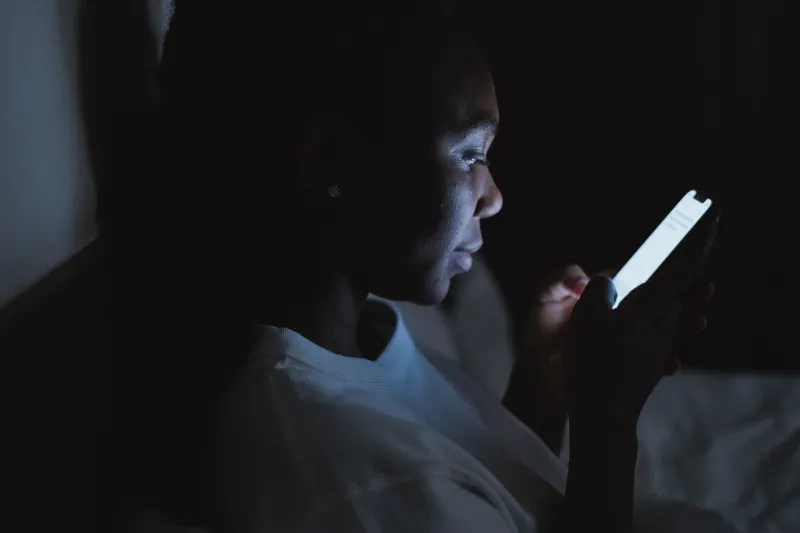
Think about when you're actually reachable. Not at work, not commuting, not pretending to watch a show with your parents. It's 11 PM to 2 AM, phone six inches from your face, defenses completely down. That's when the doomscroll hits different — and political operatives know it.
Timing a big announcement for late night does a few things at once:
- It skips the traditional gatekeepers. By the time morning shows wake up, the story has already been framed by the internet, not by anchors.
- It owns the morning. Whatever drops at midnight becomes the lead story at 6 AM for free.
- It feels intimate. A statement posted at 12:30 AM reads less like a press release and more like a text from someone who couldn't sleep. Whether that's authentic is debatable. Whether it works is not.
We've watched entire news cycles get hijacked by a single late-night post — a Truth Social rant, a surprise endorsement video, a politician's staff "inadvertently" leaking something at 11 PM on a Friday. The Friday night news dump used to be about burying a story. Now the late-night drop is about launching one.
Doomscrolling Politics Under the Covers
There's something uniquely strange about learning that a major political figure has been indicted, resigned, or started a feud while lying in the dark in your socks. The phone is the last light in the room. Your eyes are squinting. Your brain is in wind-down mode and absolutely not prepared to process a constitutional crisis.
That intimacy changes how the news lands. A 9 PM broadcast felt official — a person in a suit telling you what matters. A 12:15 AM push notification feels personal, like the chaos followed you home. And because there's no natural endpoint — no "that's our broadcast tonight" — you just keep scrolling. One more clip. One more take. Suddenly it's 2 AM and you're watching a 19-year-old on TikTok explain a federal court ruling with a CapCut template.
It's not great for anyone's cortisol levels, honestly.
What Gets Lost in the Dark
Here's the trade-off nobody talks about: when news breaks in fragments at midnight, context breaks with it. The old system was slow and boring, but it forced stories to arrive with at least some framing. Now you get a 15-second clip, a screenshot, a half-read headline — and the full picture, if it ever shows up, arrives days later when nobody's paying attention anymore.
The correction never travels as fast as the chaos. That's just physics at this point.
So What Do You Do With That?
You don't have to go full analog and buy a newspaper like it's 1974. But a little intentionality goes a long way:
- If a story is making you furious at 1 AM, it'll still be there (probably worse) in the morning. Sleep on it.
- Notice when big drops happen. Timing is a manipulation tactic, and spotting it takes away half its power.
- Follow people who add context, not just heat. The takes will find you regardless.
The 9 PM news cycle is dead and it's not coming back. Politics now lives wherever you are — including your bed, your bathroom break, and your 2 AM spiral. The only real question is whether you're consuming the chaos on your terms or on theirs.
Either way, somebody's wide awake at midnight making sure you see it.