When the Cosign Kills the Campaign: Celebrity Endorsements Are Broken
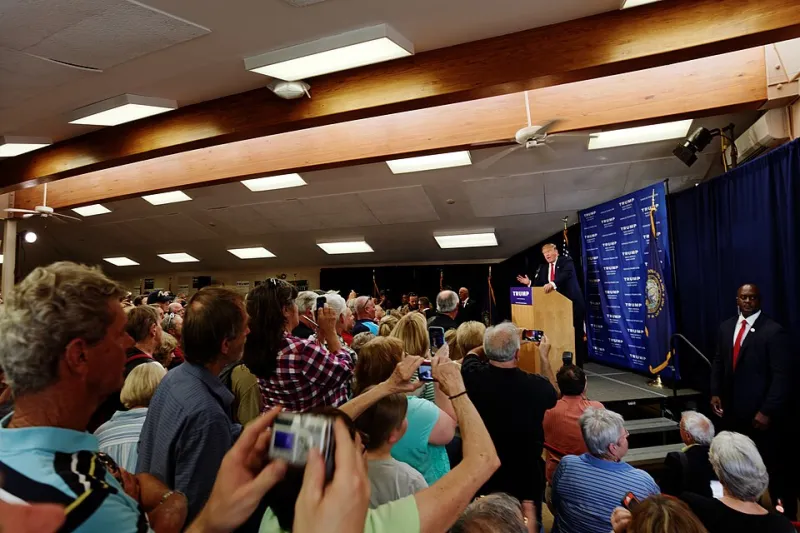
Photo: Michael Vadon, CC BY-SA 4.0, via Wikimedia Commons
There was a time when a big celebrity endorsement was basically a cheat code for a political campaign. Get the right famous person in your corner, get the press cycle, get the fundraising bump, win the cultural moment. The formula was simple, repeatable, and — for a while — it actually worked.
That time has passed. Or at least, it's gotten a whole lot more complicated.
Somewhere between the fractured media landscape, the death of monoculture, and a generation of voters who grew up learning to clock performative behavior from a mile away, the celebrity endorsement went from guaranteed asset to genuine wildcard. Sometimes it still works. Sometimes it torches the campaign it was supposed to help. And increasingly, nobody seems to know in advance which one it's going to be.
The Mechanics of a Misfired Endorsement
Let's talk about what actually goes wrong. The most common failure mode isn't a celebrity saying something controversial — though that happens too. It's the mismatch between a celebrity's brand and a candidate's actual base.
When a famous person who is primarily known for their wealth, their red carpet appearances, or their association with luxury brands shows up to stump for a candidate who is supposedly running on working-class economic issues, voters notice. Not all of them, but enough. The cognitive dissonance cuts through, especially with younger audiences who are extremely online and extremely good at identifying when something feels like a brand deal rather than a genuine belief.
There's also the parasocial backlash problem. Celebrities have massive, deeply invested fan communities — but those communities don't necessarily share their idol's political views, and they don't appreciate being lectured. When a beloved entertainer starts posting about a candidate in a way that feels preachy or obligatory, fans push back hard. The comment sections turn ugly. The discourse becomes about the celebrity's credibility rather than the candidate's platform. The campaign ends up managing a PR situation it didn't create.
Gen-Z's Built-In BS Detector
Here's the core issue: Gen-Z, more than any previous generation, has been marinated in marketing since birth. They grew up watching influencers get exposed for undisclosed sponsorships. They watched celebrities post black squares in 2020 and then go back to business as usual 48 hours later. They've seen enough performative activism to recognize the pattern immediately.
So when a celebrity shows up on a campaign trail or posts an endorsement that looks and feels like a sponsored post — same energy, same production value, same vague inspirational caption — it doesn't inspire. It irritates. At best, it gets scrolled past. At worst, it generates the kind of cynical commentary that spreads faster than the original endorsement ever did.
The phrase "they're just doing this for the optics" is basically a death sentence for an endorsement among younger audiences. And once that framing takes hold, it's almost impossible to walk back.
When It Still Works
To be fair, celebrity endorsements haven't become universally useless. They still move the needle under specific conditions — and those conditions are pretty revealing about what voters actually respond to.
The endorsements that land tend to come from people with a demonstrated, pre-existing connection to the issue or community at stake. A musician who has been publicly and consistently vocal about housing policy for years endorsing a candidate running on housing reform reads differently than a movie star who just discovered the issue three weeks before the election. Consistency matters. History matters.
Grassroots credibility is the other factor. When an endorsement comes from someone who is genuinely embedded in a community — who shows up to the events, who talks to the organizers, who can answer specific questions about local policy — it carries weight. It doesn't feel like a transaction. It feels like a person who actually cares making a recommendation to people they actually know.
The difference between those two scenarios is the difference between a campaign asset and a campaign liability. Unfortunately, a lot of campaigns can't tell them apart until it's too late.
The Influencer Pivot That Mostly Didn't Work
After a few high-profile celebrity endorsement misfires, some campaigns tried to adapt by going around traditional celebrity and pivoting to influencers — the logic being that micro-influencers have more authentic relationships with their audiences and more specific demographic targeting.
The results have been mixed at best. Some influencer partnerships have successfully reached pockets of voters that traditional campaign outreach would never touch. But plenty of others have run into the same authenticity problem in a different wrapper. An influencer who has built their brand around lifestyle content pivoting to political endorsements often reads just as transactional as a movie star doing the same thing — sometimes more so, because the audience already knows exactly what a sponsored post looks like from that creator.
The campaigns that have actually gotten traction from this approach tend to be the ones working with creators who were already political — people whose audiences came to them specifically for that content. That's a narrower pool than campaigns want to admit, and it doesn't solve the reach problem that celebrity endorsements were supposed to address in the first place.
What Actually Moves Voters Now
If celebrity power is fractured and influencer partnerships are unreliable, what's left? The answer is kind of old-fashioned, which is maybe the most interesting part of this whole story.
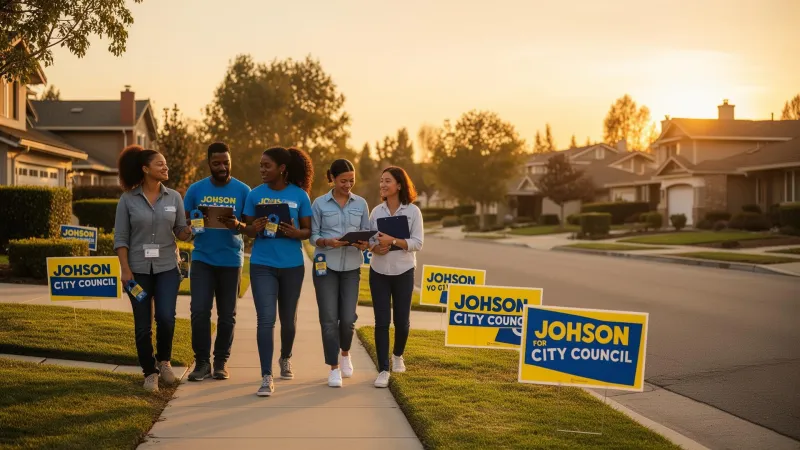
Peer-to-peer communication still works. Voters talking to voters — in their actual communities, about their actual concerns — consistently outperforms top-down celebrity messaging in terms of persuasion. The campaigns that have figured this out invest heavily in volunteer training, canvassing infrastructure, and creating shareable content that regular people want to pass along because it resonates, not because a famous person told them to.
Authenticity, in other words, is not a celebrity's exclusive property. And in a media environment where everyone has a platform and everyone can smell a fake from a scroll away, the campaigns that feel real are the ones that are real — built from the ground up, not assembled from a list of famous names.
Celebrity endorsements aren't dead. But they're no longer a shortcut. They're a gamble. And right now, the house wins about half the time.