The 10 PM Ad Buy: How Political Campaigns Learned Your Bedtime Schedule Better Than Your Mom Did
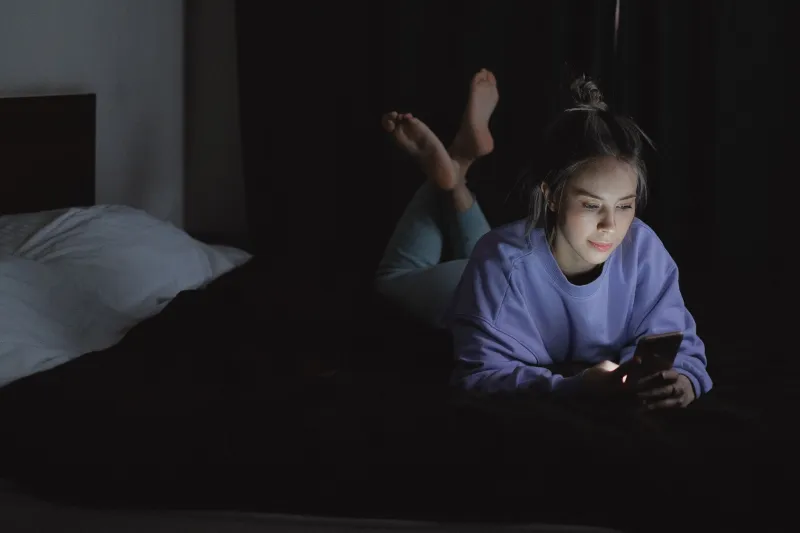
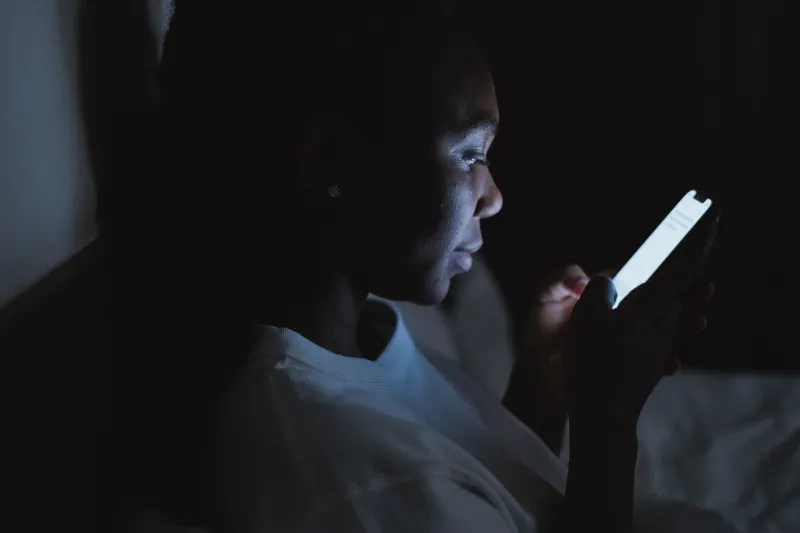
There's a moment — you know the one. It's somewhere between your third rewatch of a stranger's fridge-restocking video and the point where your phone screen says 11:47 PM and your alarm says 6:15 AM. You're horizontal. Your defenses are down. And that's exactly when the ad for a Senate candidate you've never met slides into your feed asking for $7.
That's not a coincidence. That's a strategy, and it has a budget line.
Prime Time Died. Doom O'Clock Took the Crown.
For decades, the most expensive ad slots in American politics aired during network evening programming. Those days are basically over. Digital strategists will tell you — some with a little too much enthusiasm — that the real fight happens after dark, when voters are alone with their phones and their thoughts.
The reason is boring and brutal: conversion rates. Political fundraising emails and paid social ads convert dramatically better between roughly 9 PM and midnight than they do during the workday. One digital fundraising consultant we spoke to put it bluntly: "During the day, you're competing with jobs and kids and life. At 10 PM, you're competing with nothing. It's just you and the phone and a candidate who says the country's on fire."
Ad platforms price inventory by the auction, and late-night mobile inventory — while cheaper per impression than prime-time TV ever was — gets bid up hard by campaigns that know what the data says. Small-dollar asks that feel casual ("$3 before midnight?") are engineered for the exact mental state of a person in the dark who has given up on tomorrow.
The 'High at 9' Window Is Real — and It Has a Price Tag
Ask anyone running digital for a campaign and they'll describe the same curve: engagement peaks in the evening, dips as people fall asleep, then spikes again during the morning commute. But the money curve — the actual dollars raised per impression — tips hard toward the night. Tired people click. Tired people donate. Tired people share the clip that makes them angry.
It's why your feed gets noticeably more politically unhinged after sundown. Content that spikes cortisol performs best when your brain's ability to say "eh, whatever" is at its lowest. One media buyer described the ideal late-night voter as "reclined, unbothered, and emotionally available." Which, honestly, is the most honest thing anyone in politics has said all year.
You're Not Paranoid. The Machine Is Just Loud.
None of this is illegal or even particularly secret — it's all sitting in FCC digital ad disclosures and platform ad libraries if you want to squint at spreadsheets. But the cumulative effect is that an entire generation's political education happens in the worst possible conditions: late, alone, and algorithmically curated.
The fix isn't sexy. Mute political advertisers, check who's paying for the ad, and maybe — radical idea — put the phone across the room. But knowing that the 9 PM scroll is a battlefield, not a break room? That's half the fight.
The campaigns already know your bedtime. The least you can do is know theirs.