You Voted for a Simpler Ballot and Got a Rubik's Cube: The Ranked Choice Mess, Explained
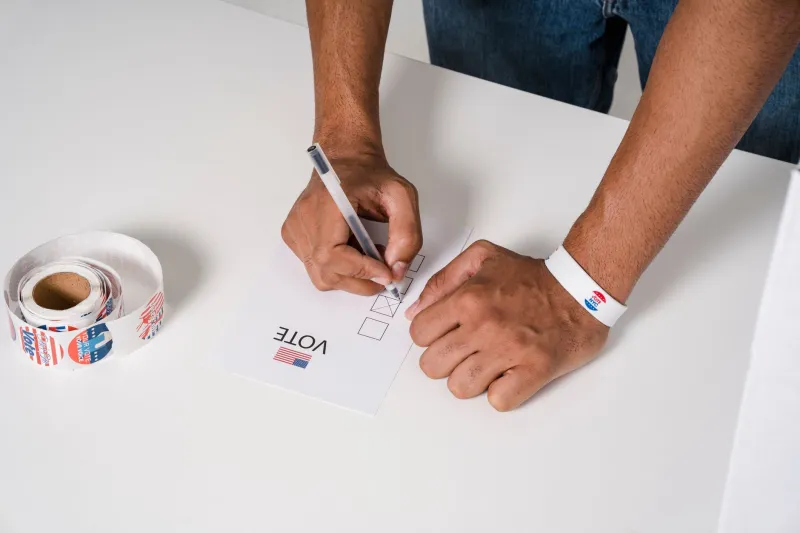
Ranked choice voting has one of the best sales pitches in American politics: instead of picking one candidate and hoping for the best, you rank them. If nobody wins a majority, last place gets eliminated and those votes transfer. No spoilers, no "wasted" votes, fewer weird outcomes. Polling consistently shows majorities of voters — including plenty of independents — like the idea.
So why does it feel like every state that passes it then treats the rollout like a group project due in an hour?
The Playbook: Pass It, Then Panic
Here's the pattern. A state or city passes RCV, often by comfortable margins. Then the actual implementation happens — new ballots, new tabulation software, new voter education — and things get messy. Counties scramble for equipment that can handle multi-round counting. State legislatures that never liked the reform in the first place introduce bills to delay or repeal it. Voter guides arrive looking like they were designed by someone who resents having to design them.
Alaska is the cautionary tale everyone cites: its new ranked ballot in 2022 confused enough voters that even the state's own election officials admitted the results couldn't be announced for weeks while the rounds were tabulated. Maine, the RCV pioneer, spent years in legal fights with its own legislature before the system fully stuck. Meanwhile, ballot measures expanding RCV in other states have been followed almost immediately by repeal attempts — meaning voters sometimes approve a system, and then have to defend it before they've ever used it.
Who's Actually Doing It Right
It's not all chaos. Cities that have run ranked elections for a while — Minneapolis, San Francisco, Cambridge — have largely worked out the kinks, and voter error rates have dropped as ballots got cleaner and education got better. The lesson from the places where it works: treat the rollout like a product launch, not an afterthought. Clear sample ballots mailed early. Simple language. Actual funding for voter education instead of a PDF and a prayer.
What You Should Actually Know Before the Next Election
A few things worth keeping in your back pocket:
- Rank everyone you can live with. Leaving candidates off doesn't hurt your favorites — it just means your ballot goes quiet if your top picks get knocked out.
- Don't rank a candidate you'd never want to win "as a strategy." The math doesn't reward it the way people think it does.
- Check if your state actually implemented the thing. Passed by voters does not always mean ready by November.
Ranked choice isn't confusing because voters are dumb. It's confusing because reform keeps getting handed to election offices with no money, no time, and a legislature hoping it fails. Fix the rollout and the confusion mostly fixes itself. Until then, read the sample ballot before election week — future you, standing in the booth, will be grateful.